You Train Hard.
Your Body Still Breaks.
The program for high-performers over 35 who've
done the treatments, done the programs, trained through the pain,
and still keep ending up back on the treatment table.
The program for high-performers over 35 who've done the treatments, done the programs, trained through the pain, and still keep ending up back on the treatment table.
WE DON’T ADD MORE EFFORT.
WE ADD INTELLIGENCE.
WE DON’T ADD MORE EFFORT. WE ADD INTELLIGENCE.
So you stop fearing your body and start trusting it, for the next 40 years.
DOES THIS SOUND FAMILIAR
LOST TRUST IN YOUR BODY
You've got PTSD around pain. And you know exactly what that means.
Every session carries a question mark. Every run starts with "what if I get hurt?" You're modifying movements, holding back, training with the handbrake permanently on.
That's not caution. That's prison.
THE TREATMENT LOOP
Massage. Stretching. Yoga. Pilates. Back still went.
You've seen physios and therapists for months. Maybe years. Temporary fix, then breakdown. Fix, train, break, repeat. You're not getting better. You're just circling the same drain with different practitioners.
LONGEVITY ANXIETY
You want to roll into your grave. Not be rolled into it.
Being fit and strong as you get older isn't a nice-to-have. It's everything. Playing with grandkids. Adventures at 60. Independence at 70. And right now? You can see the trajectory. And it terrifies you.
YOU’VE CRACKED EVERYTHING, EXCEPT THIS
Career? Sorted. Family? Dialled in. Life? You've built something.
But this one area? Your body? It's the thing you can't solve. You feel like you've been bumbling along, not really achieving anything. In the one domain that actually matters for the next 40 years.
YOU SHOW UP. YOUR BODY FAILS ANYWAY
You train 5-6 days a week. You're not lazy. You're not inconsistent. You show up more than most people you know.
And still. Your body keeps breaking. It feels tight, stiff, injury prone.
Effort was never your problem. Lack of an intelligent, holistic approach is.
YOU SHOW UP. YOUR BODY FAILS ANYWAY
You train 5-6 days a week. You're not lazy. You're not inconsistent. You show up more than most people you know.
And still. Your body keeps breaking. It feels tight, stiff, injury prone.
Effort was never your problem. Lack of an intelligent, holistic approach is.
THIS IS HOW WE KNOW
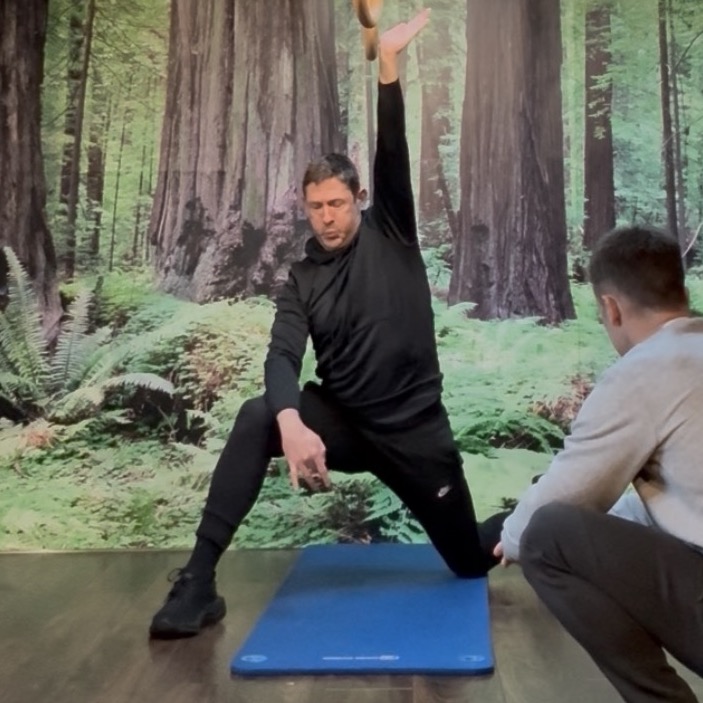
49, Finance Executive
(CLICK ME)

32, GAA Footballer
(CLICK ME)
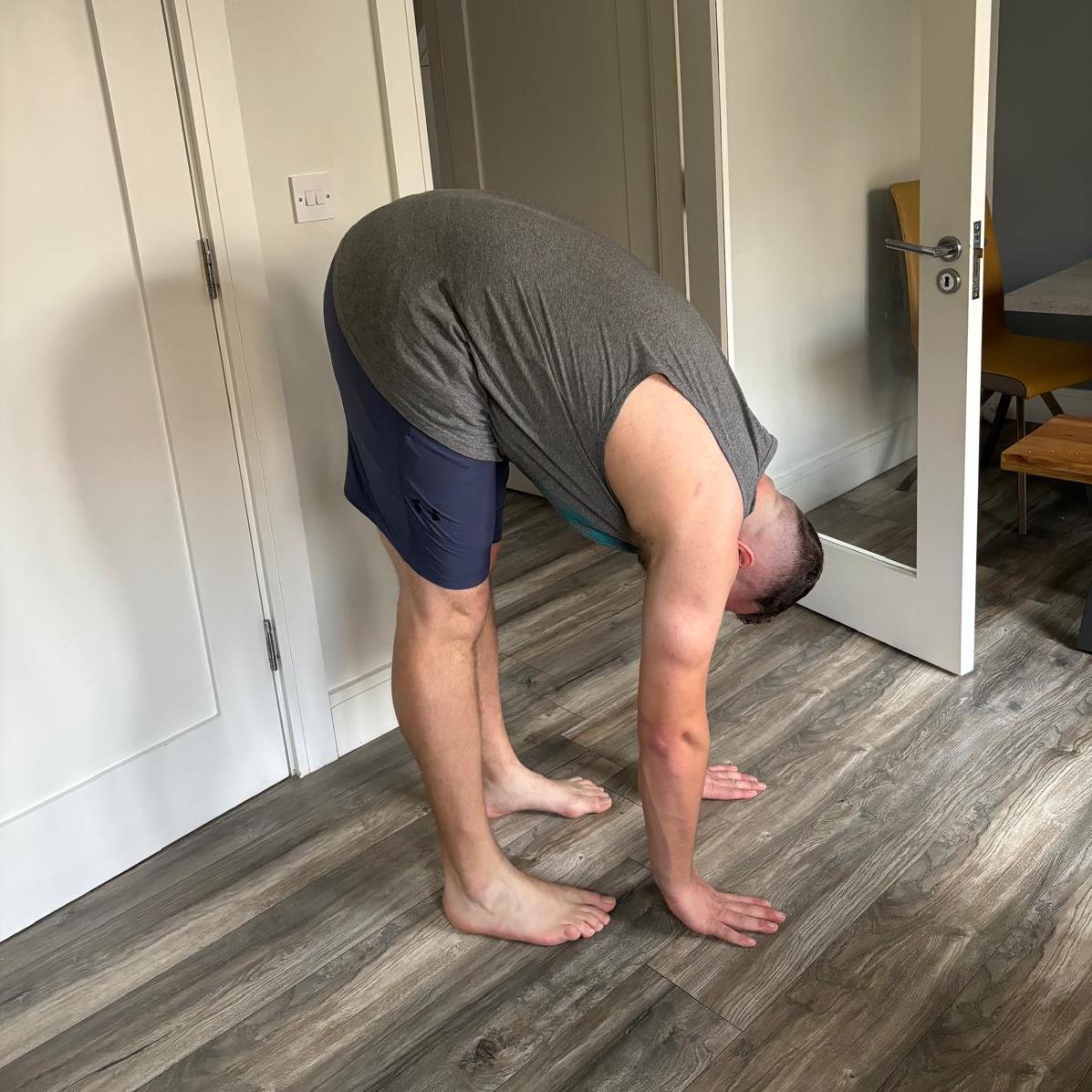
38, Engineer
(CLICK ME)
The Loop
Mark was seeing a chiropractor three times a week. Squashed discs. Hip damage. Knee pain. He'd get adjusted, feel better for a few days, then something would flare up again. His chiropractor was offering him "11 visits for the price of 10."
"I knew then that's not good. That's good for beer or chocolate, but not for a chiropractor."
The APPROACH
We didn't just look at Mark's back. We looked at his life. He works 10+ hour days in clean rooms where he can't even drink water. He's away from home most weeks. Generic gym programs were never going to work. We built a system around his reality: daily movement he could do anywhere, strength work he could schedule flexibly, hydration strategies for his specific job, and coaching on nutrition and sleep that actually fit his life.
"I could feel the difference straight away. I actually genuinely loved the program every morning. I just felt good for the day."
The SHIFT
Mark stopped waiting for the chiropractor to fix him. He learned to fix himself. When his back flared up before a big cycle event, he used his movement tools instead of booking an appointment.
"Whereas one time I would've totally freaked out and had to go to the chiropractor and not able to walk. Within two weeks I was nearly adjusting it myself. I could feel it freeing up. It was unreal."
He hasn't seen a chiropractor in over two years.
WHERE IS HE NOW
Mark completed Quest, a 68km endurance event combining running, cycling and kayaking. He went from barely touching his toes to palms flat on the floor. From struggling with two push-ups to sets of 40. He's over a year alcohol-free. Not because we told him to, but because when you feel good physically, you start making better decisions everywhere else.
"Before, if I was tired and the gym was closed, I'd be three or four pints in. Now the difference is I do my movement, I have my water, and I have a decent meal. That's a massive mindset change."
"I've worked with a few people in gyms. I've never come across anything as beneficial as this."
The Loop
Kevin had been training for over 20 years. Two ACL reconstructions. Ankle ligament damage on both sides. A shoulder tear. He played at the highest level in Gaelic football, representing Mayo at senior intercounty level. The man knew how to work hard.
But every single morning, he woke up with a back as stiff as a board. He would limp to the bathroom because his Achilles was so tight and sore. A few minutes of moving around and it would ease off. Then he would train. Then he would wake up the next day and do it all over again.
He kept hoping it would go away with rest. Maybe some rehab work. But it never did. That is the loop. Training hard, feeling broken, waiting for it to fix itself, training hard again.
“I’m at the stage now where I’m tired of feeling this way. It has an impact on me.”
The APPROACH
We ran a detailed movement assessment on Kevin. Very strong guy. Thick, powerful build from years of high level football. But strength was not his problem. His weak areas were.
We identified where his movement capacity needed work. Looked at his overall training volume, his nutrition, his lifestyle. The good news was most of that was already solid. The issue was the approach to his physical training itself.
We built an individual program targeting those weak areas and coached him through it. Not more volume. Not more intensity. Intelligent work on the things his body had been missing for 20 years.
“Initially, I thought the exercises looked easy. How wrong I was.”
The SHIFT
Kevin completely changed his outlook on physical training. He got curious about the techniques. He wanted to understand why, not just what. We taught him how to train as a high level athlete should train. Not just hard. Smart.
Within the first few weeks, he was already moving with more freedom, particularly in his lower back and hips. The Achilles issues that had plagued him started to clear. He recovered quicker after games. He felt like a better athlete.
“They have a unique way of understanding your weak areas and targeting them effectively. I approach training completely differently now.”
WHERE IS HE NOW
Kevin is still playing football. But he is moving with more freedom on the pitch. His program is tailored to his weak areas now, not just hammering his strengths. He is getting more out of the tail end of his career because his body is not fighting him anymore.
He moves around without pain. He recovers faster. He feels more fluid. And he has tools he will use for the rest of his life.
“I’ll be using what I’ve learned for life. I couldn’t recommend TELOS highly enough to anyone looking to be at their physical best.”
The Loop
Gavin had been dealing with shoulder issues for years. A torn rotator cuff, then a fracture. He'd done the rehab, but something wasn't right. The shoulder was functional, but fragile. He'd lost confidence in it. And in Brazilian Jiu-Jitsu, that lack of trust gets exposed fast.
He was also dealing with his neck grinding and crunching every time he turned it. Years of grappling, years of training, years of protecting an injury that never fully healed.
The APPROACH
We didn't just throw shoulder exercises at Gavin. We looked at everything connected to it: ribcage mobility, thoracic spine, breathing mechanics, the whole chain. The supine breathing and reaching. The spinal segmentation work. The ELDOAs for disc and postural health. Movements most people have never seen, let alone practiced.
"I'm in the gym with two kilogram weights. People are looking at me going, what's the story with your man? I think it's hilarious."
We addressed range of motion not by forcing it, but by showing his nervous system it was safe to go there. Largest pain-free range, consistently, gradually expanding.
The SHIFT
fter hitting 500 hours on the mats, Gavin grappled with his head coach for about 20 minutes. Something was different.
"It's the best and most enjoyable grapple I ever had. Before joining TELOS I would have come away from that grapple feeling it in my shoulder. I finished that grapple last Friday and my shoulder wasn't even a thought. Great progress for me to date and I'm only getting started."
And his neck? The grinding started disappearing.
"I'd always feel that crunch and grind when I'd move it. That's going away now. It just feels smoother. Maybe a little bit liquified, if that makes sense."
WHERE IS HE NOW
Gavin is still a client. We're a few months in and pushing on. He's working toward his brown belt grading in Jiu-Jitsu. There's a specific throw he couldn't attempt because of his shoulder: one where the arm goes up and back during the movement. He's not there yet, but that's the goal.
"I look forward to the day where I can do that throw again. If we can get back to that, it would be a fantastic thing."
He's added heavy leg work back into his training. He's dialled in his nutrition, tracking protein for the first time, getting 140-160 grams daily. And he's approaching this the right way: not chasing quick fixes, but building something that lasts.
"I'm getting a lot more than what I was coming in going what I want to get. It's fantastic."
I KNOW, BECAUSE I WAS YOU...
I KNOW, BECAUSE
I WAS YOU...
At 35, I was broken.
Weak. Unfit. Spending thousands on physios and therapists expecting someone else to fix me.
Then came the day that changed everything. Perfect waves in Ireland. I paddled out and couldn't catch a single one. Back spasming. Exhausted. Defeated. I sat in the car park and said out loud: "F**k this. This is never happening again."
I took ownership.
That was 14 years ago
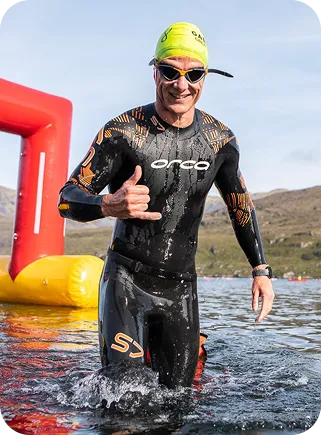
Now I'm 49.
Surfing double overhead waves. Close to 20 pull ups. Swimming 12 kilometres in open water. Best shape of my life. I use physio to optimise, not to survive.
YOUR BODY ISN’T THE PROBLEM,
YOUR APPROACH IS.
THE TELOS METHOD:
SIX PHASES FROM FEAR TO FREEDOM
WHY TRADITIONAL APPROACHES FAIL

Here's what nobody tells you.
The therapist looks at your knee. Or your hip. Or your shoulder. They treat the symptom. You feel better for a few weeks. Then something else goes.
But they never ask: Are you eating enough protein to actually recover? Is your sleep supporting your training or sabotaging it? Is your stress keeping you locked in fight-or-flight, making recovery impossible? Is your training volume appropriate? Is your exercise execution on point? Are your beliefs about your body limiting what you're willing to do?
And when you only treat the bits that hurt, you never fix why you keep breaking.
That's why the loop continues.
THIS IS THE BIGGER PICTURE
We coach the whole system. Movement, nutrition, sleep, stress management, hydration, lifestyle, and the beliefs that run underneath it all.
Because when someone is low on protein, they will keep breaking down. When sleep isn't dialled in, recovery tanks. When stress isn't managed, you're literally not in the right mode of your nervous system to heal.
YOUR BODY IS A SYSTEM
And it's why our clients get off the treatment table permanently.
THIS IS HOW YOU CAN FEEL & PERFORM…
Karl King, 41
"P90X, kettlebells, Onnit, HIIT, yoga, Wim Hof... I tried them all. My back still went. This time is different."
"I came across you guys on social media and didn't really pay much attention at the start. I was skeptical of some of the stuff you see online. I was having issues with back pain and over the years I've tried numerous different programs. P90X. Kettlebells. Onnit. HIIT. Yoga. Wim Hof. You name it, I gave it a go.
I thought to myself: I must be doing something wrong, my form can't be great. So I got a personal trainer. Did a couple of sessions. He checked out the form, said yeah, all good. Put me on a program. Eight to twelve weeks later, my back just went. Worst it had ever been. Sciatica I'd never experienced before. Later found out it was piriformis syndrome.
That was early 2020, right into lockdown. I was frustrated. I'd followed you guys for a while, knew a couple of lads from the Over 35s that you sponsor, spoke to them. They seemed genuine. So I said... let's give this a go.
What I've found different this time is starting from the start. Get your hips moving. Get your back moving. Isolate the individual parts. Build them up in isolation. Then combine them for the main exercises. If I have little niggles, we fall back to those exercises. It gets me moving again.
I don't know that there's been one big win. It's the combination of all the little wins. Looking back, there was a click in my hip, now that's gone. Better range of motion. 15 dips no problem where I struggled with five. Training consistently. Feeling confident physically and mentally. Standing back, reflecting, Jesus, this is working. I'm on the right track."
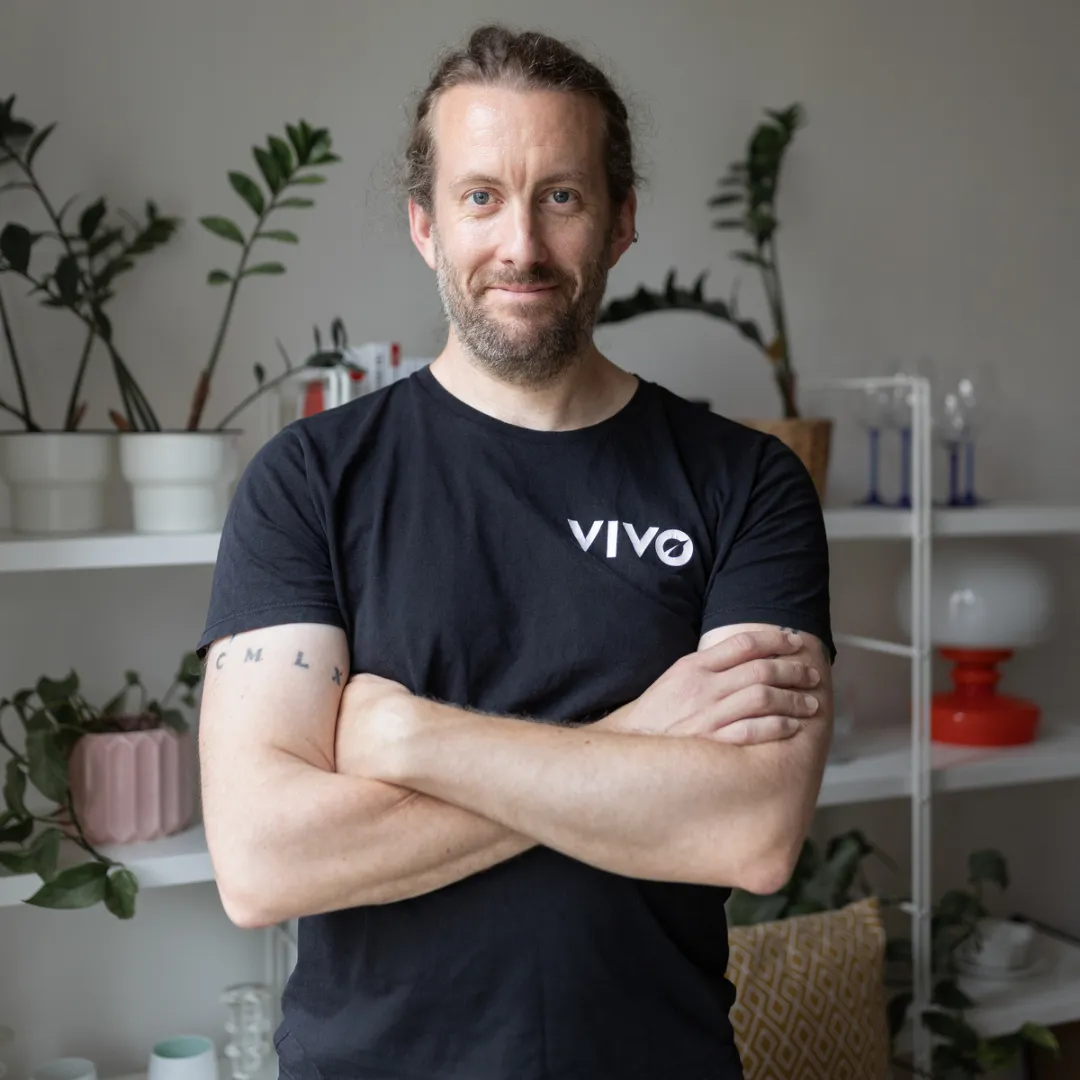
Justin Shorten, 40
"I was told my spine had limits. Now I'm running 5Ks and training martial arts again."
"I found you guys in 2018, 2019 on Instagram. It was almost like a comedy moment. Rob doing these movement exercises with his spine and hips. I thought 'it can't be that hard. What's wrong with him?' Then I started trying to copy the movements. Discovered how stuck my body was. Massive eye-opener.
From about 2005 to 2010 it was rinse and repeat. Train for a while, get injured, go to physio, get fixed, go back training, get injured. I've got scoliosis in my back. I was always told 'because of this, you're always going to get these injuries. You're always going to pull muscles.' In 2010, after a CAT scan, my doctor basically told me I shouldn't do martial arts. Anything that would involve any impact at all with the spine should just be cut out.
That was my lowest point. I never had confidence in my back after that. 'Don't do impact sports', no matter how much you want to do it, you're thinking 'is today the day I get that horrific injury?'
The difference now is massive. My hamstrings (probably my worst enemy because of the muscles in my lower back pulling them tight) I don't think I've ever felt them so loose. Three weeks ago my goal was to run 5K by October. I've already done three. I don't know what my limits are anymore.
A friend who runs half marathons went out with me for a gentle 5K. Next day, one of us was in pain. It wasn't me. I showed her one exercise from my program. She managed three before nearly creasing up. She asked 'how are you doing this?' That was my aha moment.
We don't actually know what we're capable of until we have our own aha moment. Every limit I set, I'm proving I can do it. Just stop setting limits. See where the journey brings you."
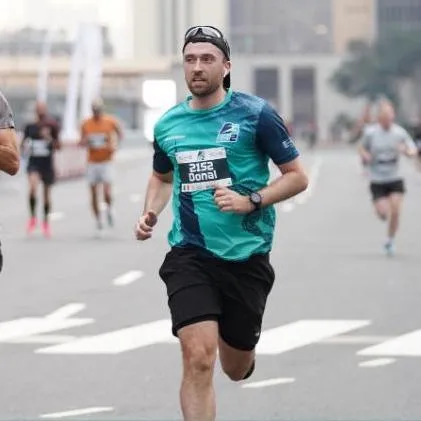
Donal Devenney, 31, Teacher
"I remember having this eureka moment where I was like: I haven't thought about my ankle pain in five or six weeks. What's going on here?"
"I tore my ankle ligaments when I was 24. Was out for about six months. Got myself back pretty decent, then in another football accident I kicked someone's studs full force and tore them again. After that I just had no trust in my ankle. It was nearly self-consuming me. Every day worrying about it. Even going for a run, I was like, this is going to go. Going for a hike, absolutely terrified the whole time. Even after a few drinks I'd be fixating on talking about it with my mates.
I joined expecting just to fix my ankle. But then it was: have you thought about the holistic side? Sleep, nutrition, alcohol. I did a sleep survey and I was like, oh my God, it's so bad. Got a fitness watch and couldn't get over it. After drinking, body battery zero. It's saying you're dead. And I'd been doing that for years.
I had this target - break 20 minutes for a 5K. That did not happen until July. Eight months of ups and downs. A lot of it was building back trust in my body. Then around that time I had this eureka moment: I haven't thought about my ankle pain in five or six weeks. What's going on here? Since then... Olympic triathlon, half marathon, training for a full marathon. The ankle that consumed my life? I don't even think about it anymore."
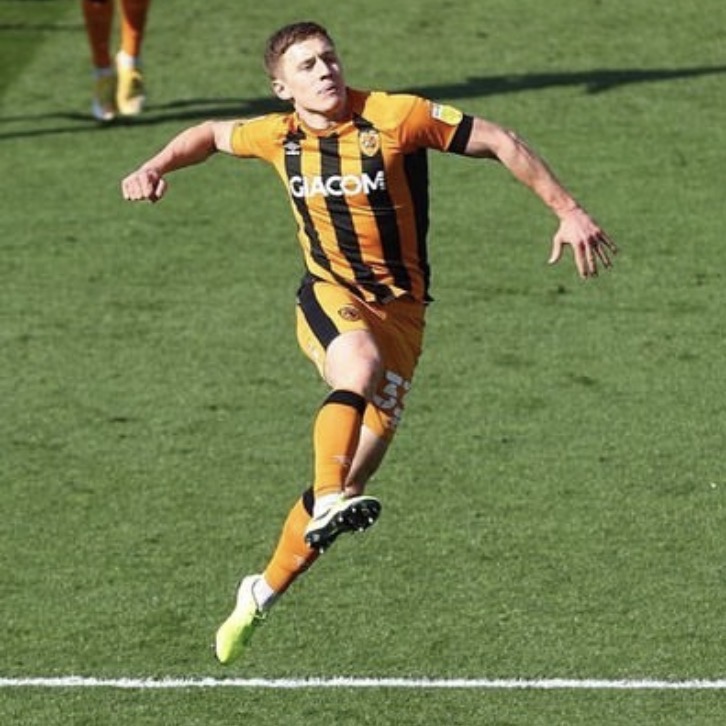
Greg Docherty, 25, Professional Footballer
"I would've given anything to eliminate that nagging pain. It's been a real investment in myself."
"I was 25, playing football regularly, two or three games a week. And I just felt I wasn't recovering as well as I should have. A lot of aches and pains around my hips and pelvis were preventing me and holding me back, particularly my top-end speed. My pelvis was very, very shaky when doing core things. Couldn't really do a sit-up. Pain when I sneezed. It was really starting to affect me mentally, like I had this hamper on me.
I'd seen a few ex-teammates involved in the program, and it appealed to me. I was hesitant at first, obviously you're paying for something off your own back. But the physios on the team, they're dealing with a lot of players, and because I wasn't injured per se, it was difficult for them. I felt like I had to go try something different.
What I'll say: it's been a real investment in myself. I feel better now, 18 months into the program, than I did 18 months ago. I would've given anything to feel this way back then.
The biggest win? Seeing the developments. At first the exercises seem basic, but it's really taxing stuff. You can see how quickly you progress training something so specific. My body's responded really well to it. I've reached new top-end speeds, which is what I wanted to achieve, and I recover extremely better after games.
It's stuff I can do at home, before training. I've integrated it into my pre-training program and my gym work at the club. It hasn't stopped me doing what the club wants me to do. I've recommended it to a few people already. I can only speak from my experience, but it's been a real benefit to me."
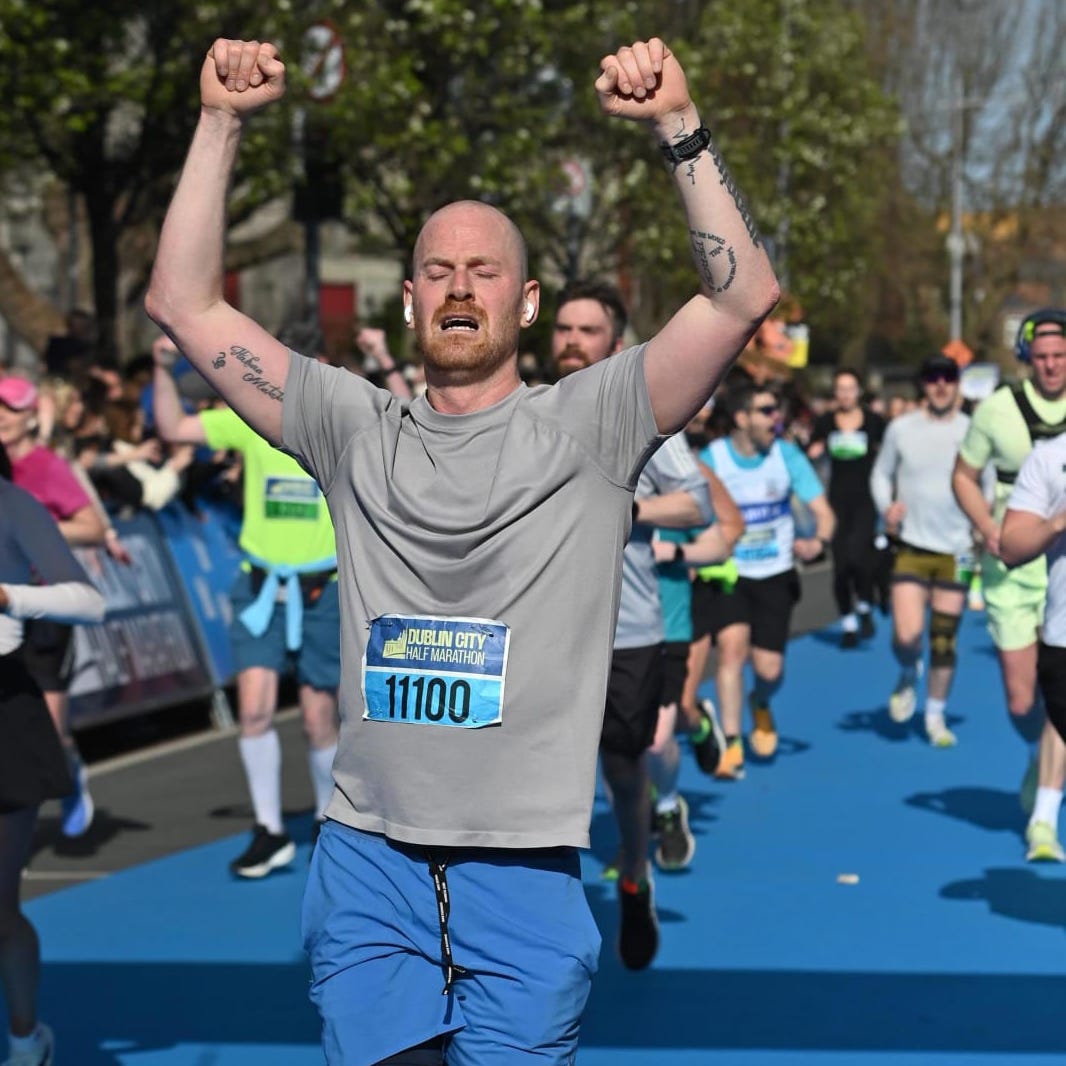
Cathal Fairman, 34
"I had been told I had lumbar disc degeneration. I lived with that identity for 10 years, convinced I was broken. Turns out I wasn't nearly as broken as I thought."
"I'd suffered back issues for 10 years. A chiropractor told me I had lumbar disc degeneration, and I took that on as my identity. Every time I felt that twinge, I'd think: 'That's me cracked. My back's degrading. I'm f**ked.' I'd throw everything out and start again. This cycle went on for a decade.
My brother's words stuck with me: 'You need to do better for yourself. You're only 33. You're falling apart.' So I found TELOS. Six weeks in, my back tweaked. The old voice said I was done. But I messaged my coach, did the stretches, got out for light movement. By Monday I was back in the gym. That was the shift.
At eight weeks I was running again, something I thought would take six months. I signed up for a half marathon. Finished it in under two hours. Now I'm 8 months off the drink. Training for a 170km cycle. And for the first time in my life, I came into the new year with positivity. Excited about what I could achieve. I don't think I'd ever had that feeling before."

Jack Stacey, 29, Professional Footballer
"My body used to ache after games. Now nothing's particularly tight and I'm usually fully recovered after 24 hours."
"Before I started, my hips and calves felt really tight going into training, which meant I couldn't perform to my full physical capacity. I'd had a grade 2 partial hamstring tear and was out for six weeks. My right ankle had always been very stiff from breaking it years ago. I'd identified injury prevention and mobility as an area where I could make marginal gains, but my biggest obstacle had been lack of information and not trusting what I'd been told.
Since starting the program, I'm definitely seeing a difference. My ankles are feeling really good. My hips have felt good going into training. Even after a lot of games and training backed up, my calves and hips aren't tight individually anymore, whereas before, they were really tight. I'm usually fully recovered after 24 hours now.
The routines were challenging but light enough to fit around training and games. I've been doing the daily routine twice a day, once on match days. It's definitely something I want to keep up with because I'm feeling the benefits and I want to keep progressing. This is about playing professional football for as long as possible, and I feel like this is helping me get there."
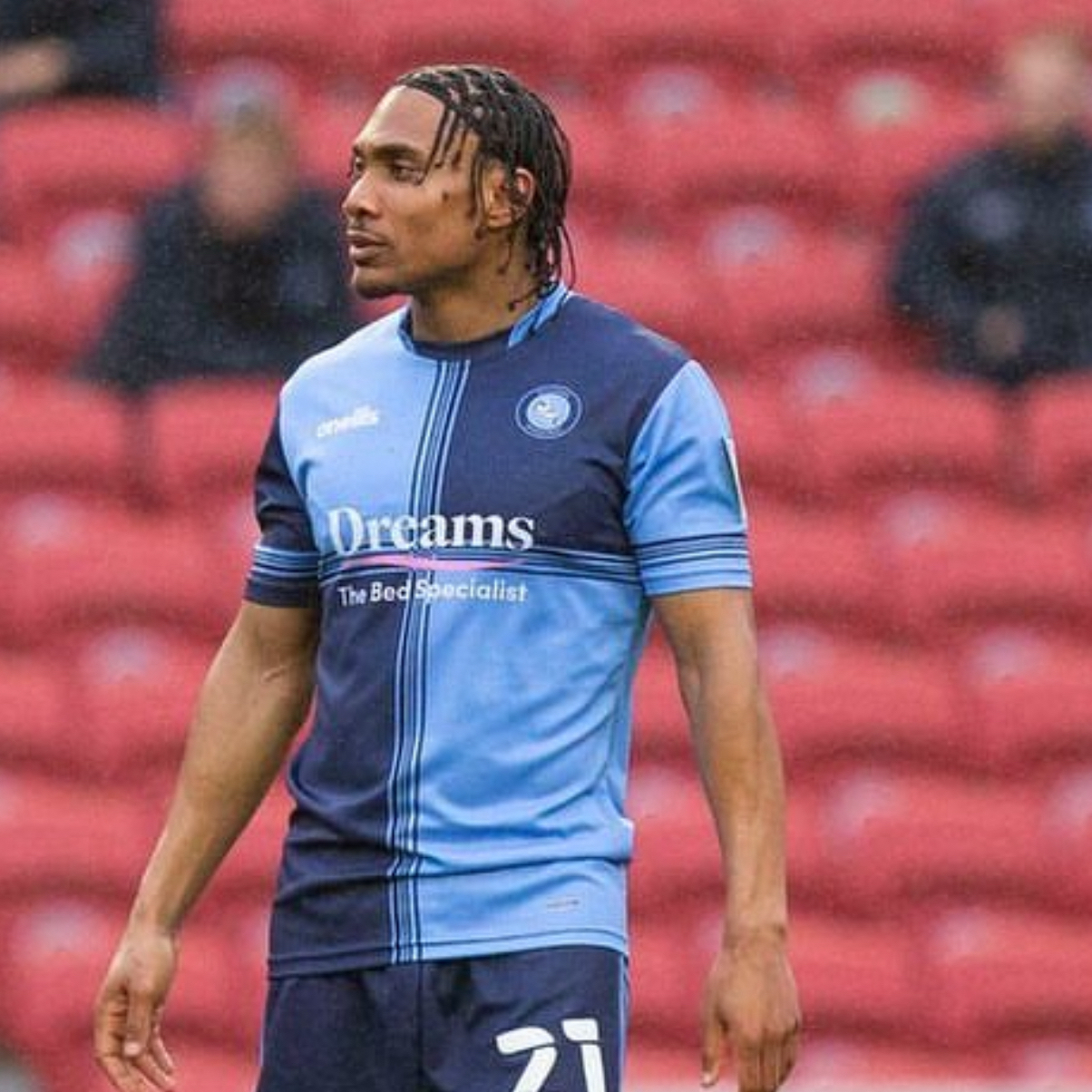
Darius Charles, 38, Professional Footballer
"A surgeon told me to retire. Now I'm running fast enough to play games. That's incredible."
"A surgeon told me to retire because of my labrum. Rob disagreed. It's been going really, really well since. I haven't missed one day's worth of training. In terms of training, it's been fantastic, I don't get any pain or any feelings of pain afterwards. Hip flexion is what I've had the most difficulty with, bringing the knee up, things like putting on my socks used to be a pain in the ass. It's easier than it has been now.
The exercises have made a massive, massive difference to my hip strength. I'm running fast enough to be able to play games now. That's incredible. They've changed my life. I can't thank you enough."
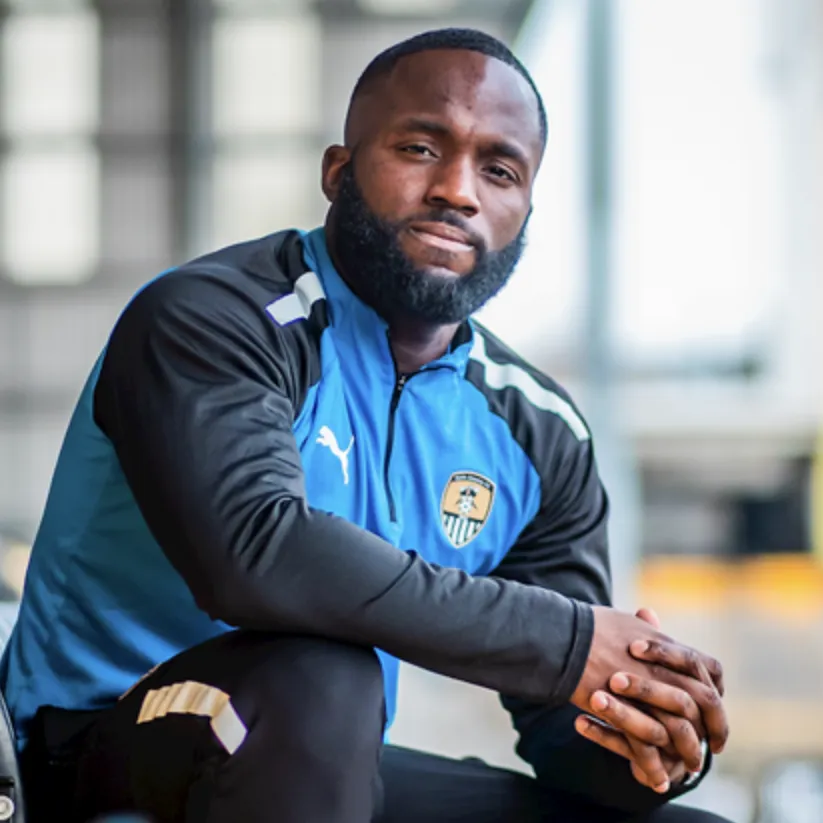
Junior Morias, 30, Professional Footballer
"My mind don't rule me anymore. When I'm going to do a run, my mind's not saying 'don't do it, you're gonna rupture something.' It's been a breath of fresh air."
"Where I was physically and mentally, I wasn't in a good place. I wasn't trusting my body. I wouldn't trust my body in certain aspects. In games, I'd be scared to open up. I'd be scared to run. When I say run, I'd run 50-60%, maybe 70% of my capacity. I wouldn't say 'okay, I'm gonna go on a mad run' because I was always scared or fearful of what would happen with my body.
In my past experiences, when I've gone and done that, I've ruptured something, or I've torn something, or I've done my hamstrings. So since I've joined, it's been a breath of fresh air for sure. I've taken control over my body. My mind don't rule me anymore. So now when I'm going to do a run, my mind's not saying 'don't do it, 'cause if you do it, you're gonna rupture something' or 'don't do it, you're gonna tear something.' That fear is gone."
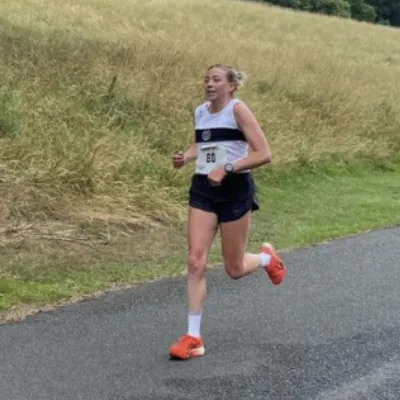
Aedin Corr, 36, National Champion Runner
"Physios told me I was hypermobile. That's why I kept breaking. Turns out that was just an excuse I was using."
"I got into a cycle of just constantly lurching from one injury to the next and one crisis to the next. Digging myself a hole and trying to climb out of it time and time and time again. That pattern went on for about 10 years.
Torn Achilles... two years to get back. Pelvic stress fracture... eighteen months. Then the constant niggles, the tightness showing up weekly. I even had physios tell me I was hypermobile and that's the reason for all my problems. So you start labeling yourself as somebody who's so uniquely different that what's conventional won't work for them. And then your confidence ends up going the opposite direction.
I think almost a decade of constant pains left me with a sort of PTSD around pain. I'd be scared to go for a run in case I got injured. The fact that my physicality wasn't where I needed it to be was such a weight on my life that everything else was secondary. I felt like I wasn't really living until I could crack the code.
There was no magic solution. It was putting all the pieces together. Instead of getting sore after every run, I might get three or four days out of it. Then a week. Then those periods got longer and longer. It's not like you wake up one day and suddenly you can run however many miles. It's just this slow shift.
The reason I feel confident now is that I know what works for me because I've asked the questions. Rather than just do X in the gym and tick the box, try and understand why you're doing that. Empower yourself to know what works for your body.
I am 36 years old now, and I can say I'm in the shape of my life. I've never been fitter than this. I'm running 70 to 100 miles a week, training for national championships, and I always kind of classed myself as a low mileage runner, but only because I was so injured all the time. Now I've discovered that actually I feel better with more mileage.
I feel like I'm truly living now. Complete freedom, physically and mentally. The messaging I've been listening to for three plus years is so ingrained in my psyche now that I'm looking for it myself elsewhere. My blueprint and my whole way of thinking has changed."
THIS IS

Full assessment across movement, nutrition, sleep, stress, and lifestyle.
Personalised programming built for your system. Direct coaching access. A community of high performers who show up like you do. And a proven method that rebuilds trust in your body permanently.
FOR YOU IF:
You train consistently but keep breaking down.
You've done the rounds with physios and practitioners.
You're successful everywhere else but can't crack this.
And you're done outsourcing your body to people who only look at one piece of the puzzle.
NOT FOR YOU IF:
You want a quick fix.
You're looking for motivation.
You think another generic program is the answer.
You don't want to understand your body, you just want someone else to fix it.
next step
Book a call. We'll talk about where you're at and whether TELOS is the right fit.
No pressure. No games.
You either keep ending up on the treatment table. Or we fix that.
Copyright © 2026 | TELOS™ | Terms & Conditions